
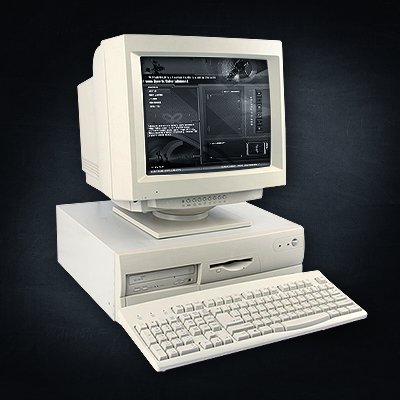
Web Design Museum exhibits thousands of screenshots and videos of websites, apps, software, and Flash games from the 1990s to the late 2000s.
- Tweets9.7K
- Following4
- Followers214K
- Likes44.8K







ALT Internet Explorer 2.0 in 1995

ALT Internet Explorer 2.0 in 1995

ALT Internet Explorer 2.0 in 1995

ALT Internet Explorer 2.0 in 1995


ALT Adobe Photoshop 4.0 in 1996

ALT Adobe Photoshop 4.0 in 1996

ALT Adobe Photoshop 4.0 in 1996

ALT Adobe Photoshop 4.0 in 1996

ALT Microsoft Windows 2000 Professional

ALT Microsoft Windows 2000 Professional

ALT Microsoft Windows 2000 Professional

ALT Microsoft Windows 2000 Professional

ALT Microsoft Windows 2000 Professional

ALT Microsoft Windows 2000 Professional


ALT The Pirate Bay website in 2005

ALT The Pirate Bay website in 2006

ALT The Pirate Bay website in 2007

ALT The Pirate Bay website in 2008

ALT The Pirate Bay website in 2009

ALT The Pirate Bay website in 2010

ALT The Pirate Bay website in 2011

ALT The Pirate Bay website in 2012

ALT The Pirate Bay website in 2013

ALT The Pirate Bay website in 2014

ALT The Pirate Bay website in 2015

ALT The Pirate Bay website in 2016

ALT The Pirate Bay website in 2017

ALT The Pirate Bay website in 2018

ALT The Pirate Bay website in 2019

ALT The Pirate Bay website in 2020

ALT The Pirate Bay website in 2021

ALT The Pirate Bay website in 2022

ALT The Pirate Bay website in 2025

ALT The Pirate Bay website in 2026


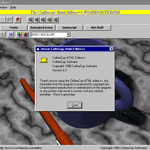
ALT CoffeeCup HTML Editor++ 3.3 in 1996

ALT CoffeeCup HTML Editor++ 3.3 in 1996

ALT CoffeeCup HTML Editor++ 3.3 in 1996

ALT CoffeeCup HTML Editor++ 3.3 in 1996

ALT Microsoft FrontPage 1.1 in 1996

ALT Microsoft FrontPage 1.1 in 1996

ALT Microsoft FrontPage 1.1 in 1996

ALT Microsoft FrontPage 1.1 in 1996


ALT GeoCities homepage in 1995

